Wapley Bushes Local Nature Reserve, near Yate and Chipping Sodbury, South Gloucestershire.


The Nature Reserve is run by the Wapley Bushes Conservation Group, a small group of volunteers.

Friday, August 25, 2006

Fruit and magpies


On my walk today, I noticed the late summer fruits are starting to appear. There are blackberries, of course, and also now sloes. The hedge at the bottom of the sloping meadow – the field edge nearest to the railway line – is always good for fruit. Keep an eye on it as we move into autumn.


I was walking about midday, and few birds and animals were in evidence. Apart that is from wood pigeons, with the distinctive papery crackle as they flap their wings. I heard a squirrel scampering in the trees above me, but I couldn’t see it.


I also saw some magpies. If you see one magpie, look for another – they’re very sociable birds. It’s supposed to be unlucky to see only one. Do you know the saying:
“One for sorrow, two for joy;
Three for a girl, four for a boy;
Five for silver, six for gold;
Seven for a secret, never to be told;
Eight for a wish, nine for a kiss;
Ten for a bird that's best to miss.”

On the way back I saw several magpies together, pecking away near a tree. One magpie suddenly caught sight of a butterfly and decided to try to catch it. The butterfly promptly dodged round the tree, with the magpie in hot pursuit. This game of hide-and-seek went on for a few seconds, like something out of a Tom and Jerry cartoon, but finally the magpie won. He’d worked hard for his lunch…

Reminder: WAPLEY WORKDAY Sun 3 September


A morning of general woodland maintenance and ditch clearing work (not as unpleasant as it sounds!) Please bring gloves and wellies or walking shoes. Meet 10.00 am at railway bridge entrance, next to Nature Reserve sign on Shire Way, Yate, opposite Cherington. All welcome.

Tuesday, August 15, 2006

An evening walk


I went for a walk yesterday evening. The meadows have now been cut, so the wild flowers are no longer visible. Even so there's still a lot to see.

At dusk I stood near the kissing gate and watched a rabbit grazing. Then as I looked from the top pond into the adjoining farmer's field, a fox strolled past only 30 yards away.

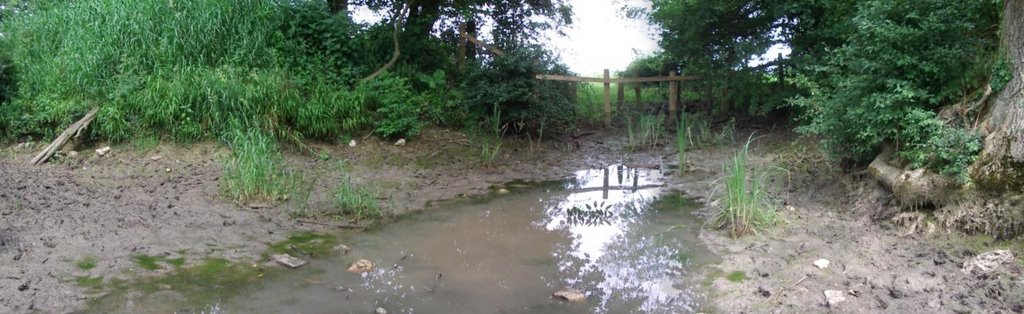
The pond has now dried up, but water has remained there for much longer this year - exactly what we wanted to achieve with the work we had done.

And in a hedgerow, I saw a flash of red - the fiery red berries of lords and ladies, a common British arum.

Thursday, July 27, 2006

Lots of butterflies

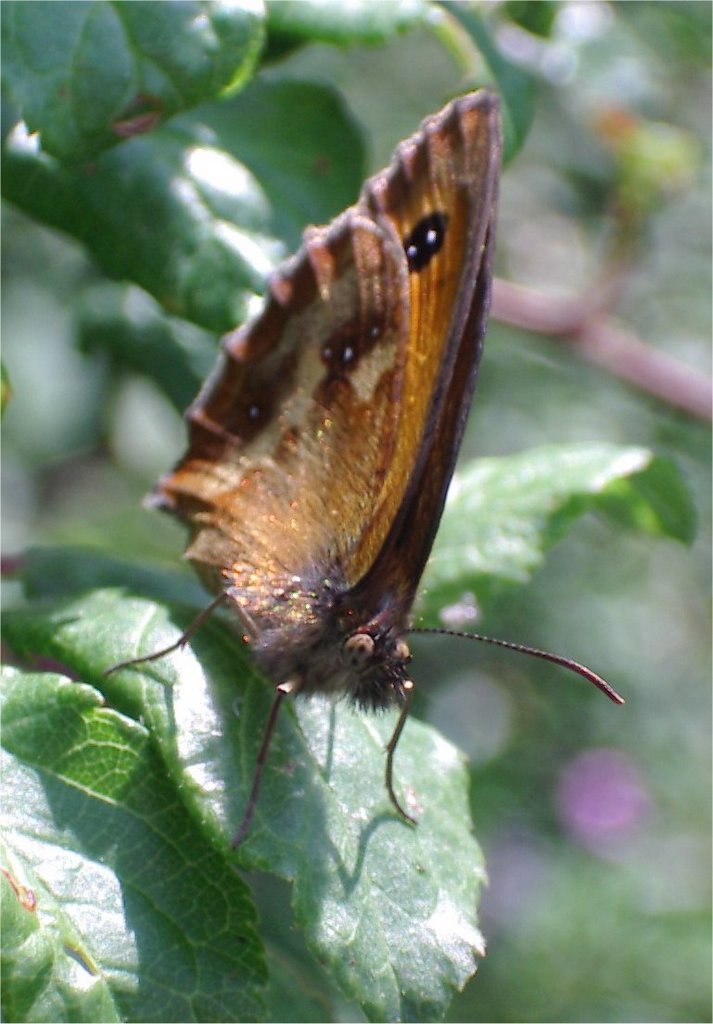
Meadow Brown
Lots of butterflies in the lower meadow in the last days before the grass is cut. Here's a meadow brown, sunning itself on a leaf. You only have to walk through the long grass to set the butterflies flying.

Tuesday, July 25, 2006

Looking back and planning ahead


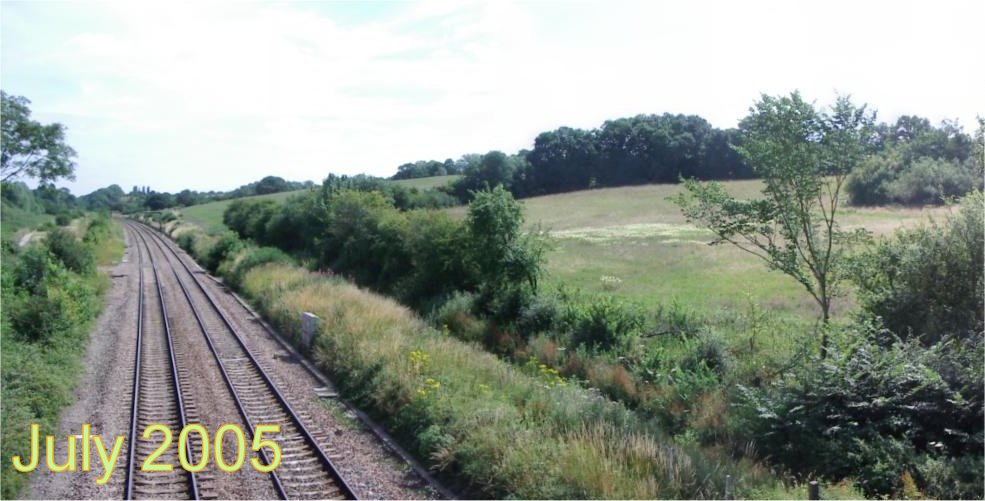
We had a meeting on site last week to discuss the management of the meadows. The timing of the grass cut is important in keeping the diversity of the plants and grasses. In particularly we were talking about meadowsweet, an invasive grass. At the moment we have meadowsweet in patches on about a tenth of the lower meadow, but we have to be careful that it doesn’t spread further.

I do a photo-shoot around the reserve every month, and in recent years I’ve tried to take some several “comparison” shots from the same locations each month. Looking back at photos from this July and the previous July, I found that there’s been very little change in the main patch of meadowsweet over the year. The meadowsweet is the white patch in the meadow on the photos.

We decided to keep an eye on the distribution of the meadowsweet, and possibly to try a selective second cut in September on one of the meadowsweet patches.

Friday, July 14, 2006

Report - Wapley Wander guided walk


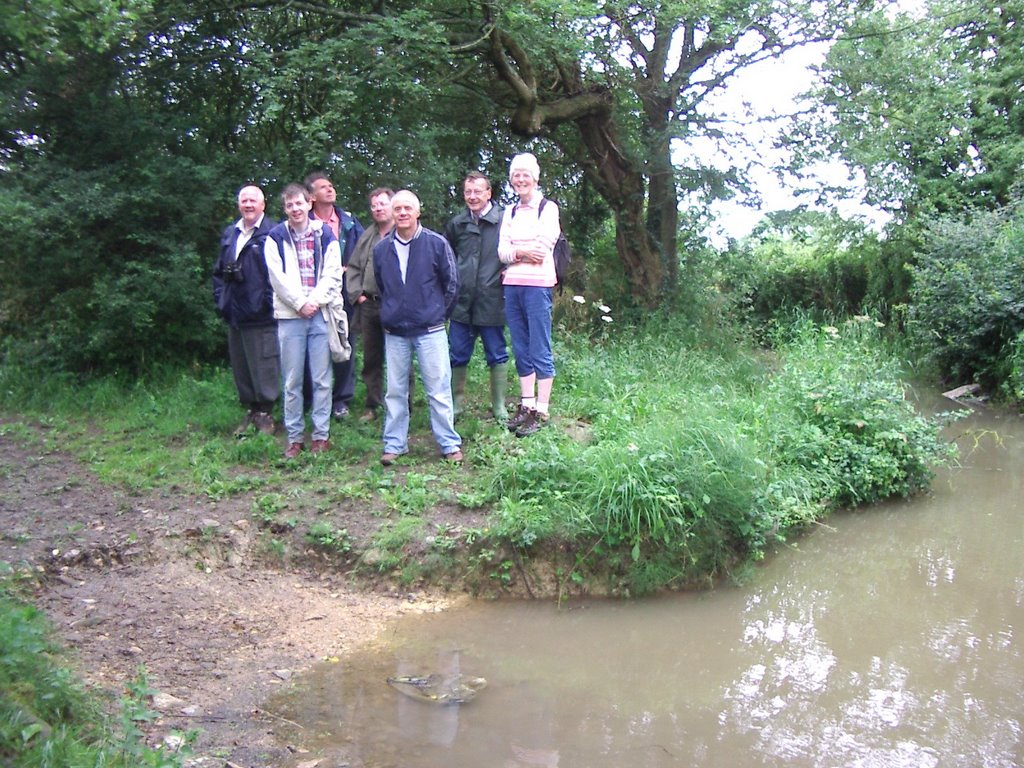
Last Sunday a group of parish councillors and wildlife enthusiasts explored the countryside around Wapley, on a guided walk led by Paul Hulbert. The first part of the walk covered the Wapley Bushes Local Nature Reserve, and we looked at the recent successful work to deepen the top pond and encourage wildlife (The photo shows the walkers checking out the work at the pond - normally it would be completely dry at this time of year)

We then carried on to Wapley church, hearing about its history and the connection with Sir John Codrington, the standard bearer to Henry V at the Battle of Agincourt. We walked beyond the church on some of the footpaths across farmland - we noticed how one local farmer has constructed an excellent pond for wildlife, with lots of marginal plants that attract birds and other wildlife. We hope our top pond becomes as good in due course!

This is a marvellous walking area. We like to encourage people to get out and about in the countryside. If you're interested, lots of walk leaflets are available from the Tourist Information Centre in Chipping Sodbury.

Saturday, July 01, 2006

Getting drier


The dry weather is finally having an effect. The top pond has shrunk appreciably, but this time last year it was bone dry. The work we had done last winter to deepen the pond has obviously helped.

I saw a buzzard above the Upper Meadow. The buzzards nest on a farm down the lane, but they rarely stray over the Nature Reserve because that’s the rooks’ territory. This buzzard looked round a little nervously, saw a single rook heading out from the wood, and fled immediately. Although it was three times the size of the rook, the buzzard knew that a squadron of rooks would be on call to chase it away.


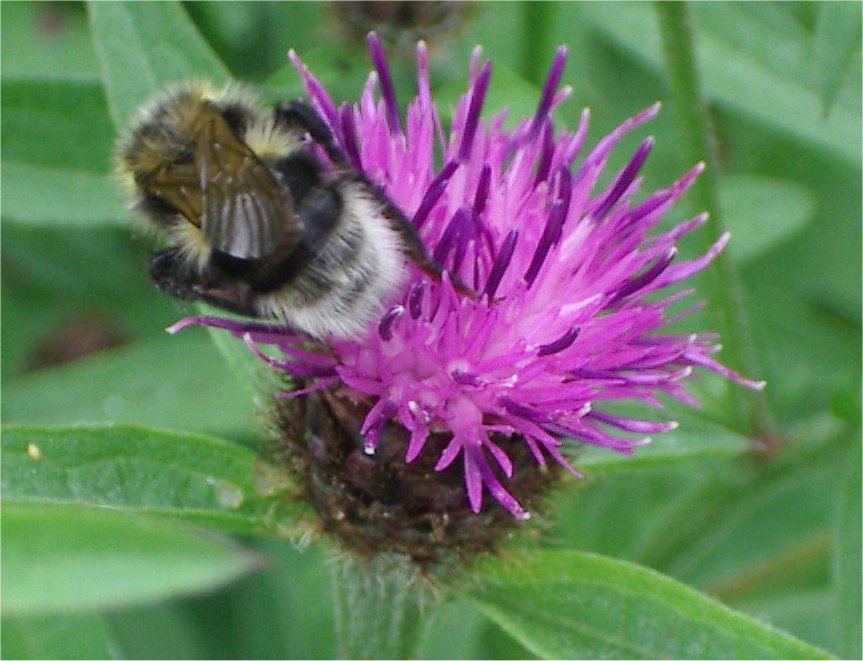
The meadows are full of flowers – particularly the lower meadow - with lots of insects visiting them. Butterflies are flitting frantically from bloom to bloom, but bees take their time and allow you to photograph them. Take a look at the meadows before the grass is first mown.

Thursday, June 22, 2006

What's nearby? A bit of history


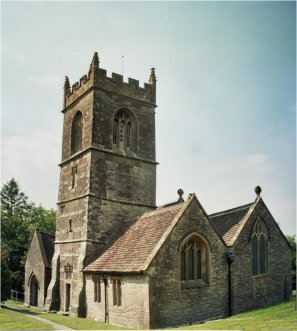
St Peter’s is just up the hill from the Nature Reserve. This beautiful little church was mainly built in the 13th century, including its tower in the Perpendicular style. The south porch is a bit newer - only 15th century.

St Peter's claim to fame is that it contains the tomb of local hero Sir John Codrington, who died in 1475. He was the standard-bearer to King Henry V at the battle of Agincourt in 1415.

However, he's not actually under the tomb. Like many elaborate tombs in other churches, this is a "show tomb". There are suggestions that there once was a gravestone in the chancel floor, but Sir John isn't there either. When the tower started to tilt dangerously, the Victorians dug out the floor and flooded it with concrete.

So where IS Sir John? Our best guess is that his remains are somewhere in the grassed hillock in the graveyard, which is where the Victorians dumped the spoil. So we've started to call the hillock "Sir John’s Tump". Even if he's not there, it's a good story.

Monday, May 29, 2006

Drought? What drought? (Here anyway)


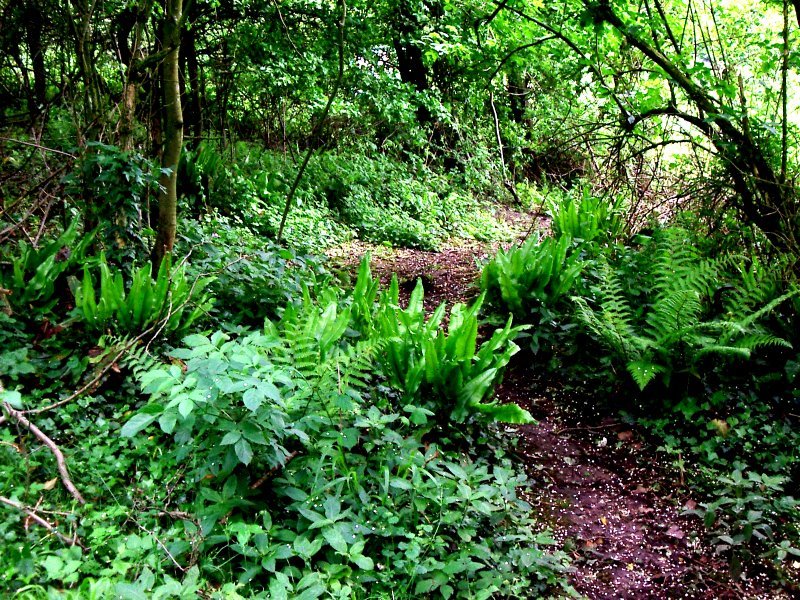
We've heard a lot recently about a predicted drought in the South East. Here in the West the recent rain has left the ground really sodden - some of the woodland paths are rather muddy, and the pond is full. It's good for the ferns (see picture), though the last of the bluebells are just going over.

The meadows are full of flowers, and vegetation is growing fast everywhere - perhaps because the weather has also been mild. When the sun shines, a few butterflies are also coming out to enjoy the blooms (see picture).


The treetops are full of quarreling rooks. I sometimes wonder how they find so much to argue about. It's good to see them performing acrobatics above the Upper Meadow.

Summer here we come...

Sunday, May 07, 2006

Workday 7 May 2006


A good workday today - lovely sunny weather. We've put eight dormouse nesting boxes in the wood. They're dark coloured rectangular tubes fastened to horizontal branches. This is part of the Dormouse Survey - we'll be checking the boxes later on to see what species are nesting in them.

Click this link for more on dormice.

Wednesday, April 19, 2006

Tree surgery

We've had to have some fairly serious tree surgery done recently - some of the tress were rotting and almost hollow at the base. Still, it gives a chance for all sorts of creatures to feed on the rotting wood. And as you can see, people are encouraging the bird life by leaving seeds on the freshly-cut tree stumps. By the way, we always plant far more trees than we have to cut down. Posted by Picasa

Friday, February 24, 2006

Pond project


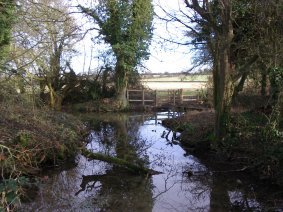
One of our recent projects was improving the pond in the top meadow.

This seasonal pond has had little of nature interest until now. To increase the ecodiversity of the area we brought in a specialist contractor to deepen the pond and plant along the margin.

Our thanks to South Gloucestershire Council who financed most of this work through their Environment Grant scheme.